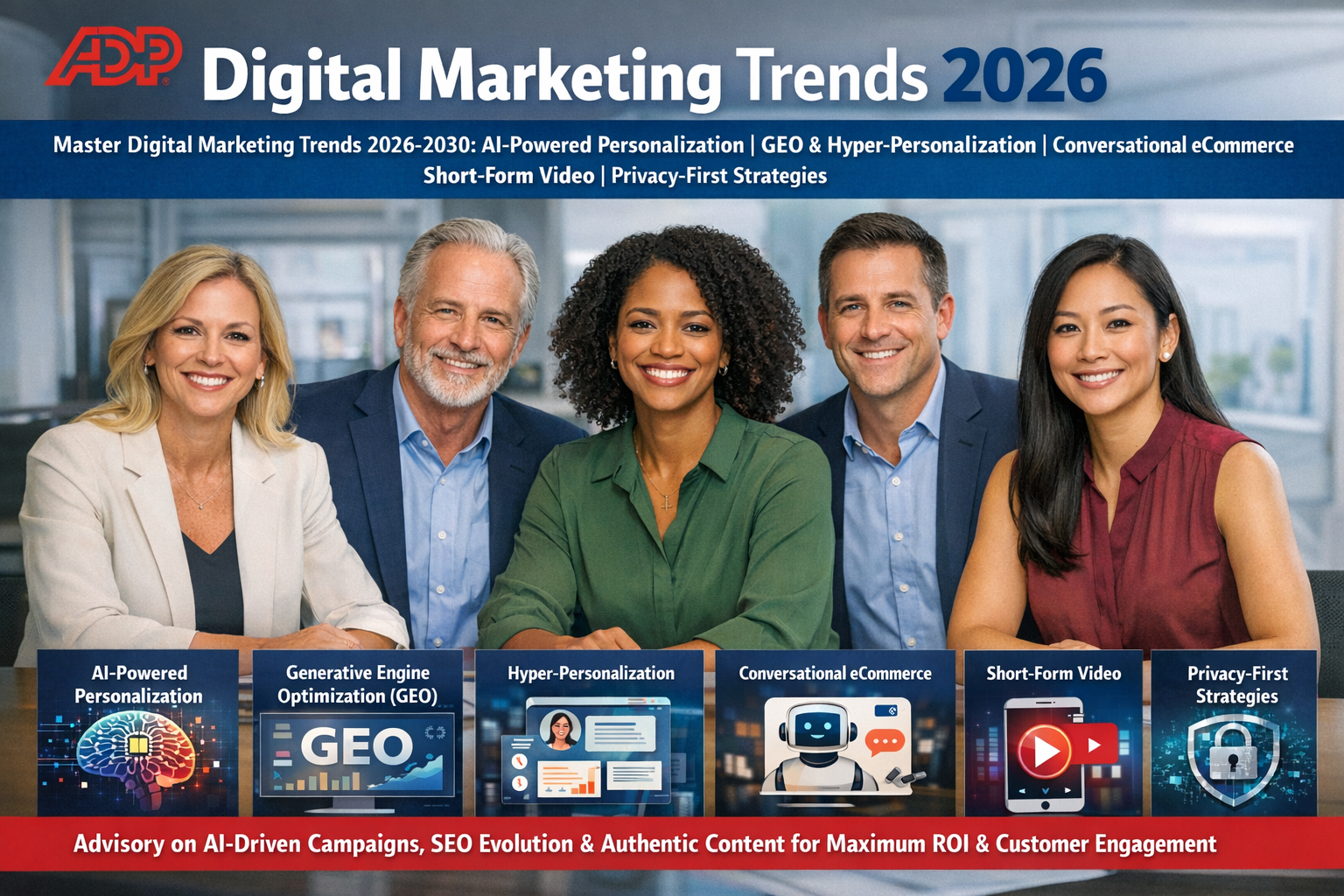
In today’s fast paced, technology driven world, traditional marketing methods are no longer enough to stay competitive. Digital marketing has become essential for businesses of all sizes to engage with their audience, increase brand awareness, and drive revenue growth. With the rise of social media, search engines, and online platforms, digital marketing offers businesses unprecedented access to a global audience and a vast array of tools to reach them.
But what exactly is digital marketing, and why is it so important? In this blog post, we’ll break down the key components of digital marketing, its significance in today’s business world, common misconceptions, and actionable strategies to help you improve your digital marketing efforts.
What is Digital Marketing?
Digital marketing refers to the use of online channels, platforms, and tools to promote and advertise products or services. It encompasses a wide range of tactics designed to engage users, build relationships, and drive conversions, including:
Search Engine Optimization (SEO):
Improving your website’s visibility in search engine results.
Content Marketing:
Creating and distributing valuable content to attract and engage customers.
Social Media Marketing:
Using platforms like Facebook, Instagram, and LinkedIn to engage with audiences and promote products.
Email Marketing:
Sending targeted emails to build relationships with potential and existing customers.
Pay Per Click (PPC) Advertising: Running paid ads that appear in search engine results or on social media platforms.
In essence, digital marketing allows businesses to reach customers where they spend most of their time: online.
Why is Digital Marketing Important?
Expanding Reach and Audience Targeting
With billions of people using the internet daily, digital marketing allows businesses to access a vast global audience. Unlike traditional marketing, digital marketing provides targeted solutions, enabling businesses to tailor campaigns specifically to the demographics, interests, and behaviors of their ideal customers.
- Stat: According to Statista, the number of global internet users reached 4.9 billion in 2021, which means that over 60% of the world’s population is online.
Cost Effectiveness
Digital marketing often offers a more cost effective solution compared to traditional marketing channels like TV, radio, and print ads. Platforms such as social media and search engine ads allow businesses to set budgets and only pay when a user clicks on their ad or takes a desired action.
- Example: A small business can use Facebook Ads to run highly targeted campaigns with a budget as low as $5 per day, ensuring maximum ROI.
Measurable Results and Analytics
One of the biggest advantages of digital marketing is the ability to track and measure every aspect of a campaign in real time. Analytics tools like Google Analytics, social media insights, and email tracking allow businesses to see how well their campaigns are performing, which strategies are working, and where improvements are needed.
- Stat: According to a survey by HubSpot, 72% of marketers say that measuring and analyzing ROI is the top benefit of digital marketing.
Improving Customer Engagement
Digital marketing provides businesses with numerous ways to engage with their customers, from responding to social media comments to sending personalized emails. By using these tools to interact with customers directly, businesses can build stronger relationships, increase brand loyalty, and encourage repeat purchases.
- Example: An e commerce store using retargeting ads to show personalized products to customers who have previously browsed the site increases the likelihood of conversion.
Common Misconceptions and Challenges in Digital Marketing
Misconception 1: Digital Marketing is Only About Social Media
While social media is a significant component of digital marketing, it’s not the only channel. SEO, content marketing, email marketing, and paid advertising all play crucial roles in a comprehensive digital marketing strategy. Overemphasis on one area can limit the potential of your overall marketing efforts.
- Solution: Adopt an integrated approach, using a variety of channels to create a cohesive digital marketing strategy.
Misconception 2: Digital Marketing Delivers Instant Results
Many businesses expect immediate results from their digital marketing efforts, but the reality is that digital marketing is a long term investment. Building brand awareness, increasing traffic, and improving SEO rankings take time.
- Solution: Set realistic goals and expectations. Understand that successful digital marketing campaigns require time, testing, and optimization.
Challenge: Staying Updated with Constantly Evolving Trends
The digital marketing landscape is constantly evolving, with new tools, trends, and algorithms emerging regularly. Keeping up with these changes can be challenging for businesses trying to maintain a competitive edge.
- Solution: Stay informed by regularly reading digital marketing blogs, attending webinars, and testing new strategies to see what works best for your audience.
Challenge: Managing Multiple Channels
With so many digital marketing channels to manage, it can be overwhelming for businesses to keep track of everything. From SEO and content marketing to social media and PPC, managing multiple channels requires coordination and resources.
- Solution: Use marketing automation tools and analytics platforms to streamline and track campaigns across different channels, ensuring consistency and efficiency.
Key Strategies for Effective Digital Marketing
Focus on Search Engine Optimization (SEO)
SEO is the foundation of any digital marketing strategy. By optimizing your website for search engines, you can improve your visibility, attract organic traffic, and rank higher in search results for relevant keywords.
- Tip: Focus on both on page and off page SEO. On page includes optimizing content and meta tags, while off page involves building backlinks to increase domain authority.
Leverage Content Marketing
Creating valuable, informative content is key to attracting and engaging customers. Whether it’s blog posts, videos, infographics, or podcasts, content marketing helps build trust, educate your audience, and position your business as an authority in your industry.
- Tip: Create a content calendar to plan and organize your content strategy. Consistently producing high quality content can improve your website’s SEO and keep your audience engaged.
Utilize Social Media Marketing
Social media is one of the most powerful tools for connecting with your audience. By using platforms like Facebook, Instagram, LinkedIn, and Twitter, businesses can increase brand awareness, engage with customers, and drive website traffic.
- Tip: Use social media advertising to target specific demographics based on age, interests, and behaviors, ensuring your ads reach the right audience.
Run Paid Advertising Campaigns (PPC)
Pay per click (PPC) advertising, such as Google Ads or Facebook Ads, allows businesses to drive targeted traffic to their websites. With PPC, you only pay when someone clicks on your ad, ensuring that your marketing budget is spent efficiently.
- Tip: Conduct A/B testing on your ads to see which copy, design, and targeting options generate the best results, and adjust your campaigns accordingly.
Email Marketing for Retention and Engagement
Email marketing is one of the most effective ways to nurture relationships with your customers and keep them engaged with your brand. Whether it’s sending personalized offers, newsletters, or product recommendations, email marketing helps keep your brand top of mind.
- Tip: Use segmentation to send targeted emails to different customer groups based on their behavior, such as abandoned cart reminders or loyalty program updates.
Conclusion: Harness the Power of Digital Marketing for Business Success
Digital marketing is no longer just an option it’s a necessity for businesses that want to thrive in the digital age. By utilizing a combination of SEO, content marketing, social media, paid advertising, and email marketing, businesses can engage their target audience, improve brand visibility, and drive growth.
While there are challenges in managing multiple channels and staying updated with the latest trends, a strategic and integrated approach to digital marketing can help businesses overcome these obstacles and achieve long term success.
Are you ready to take your digital marketing to the next level? Start by setting clear goals, focusing on the right channels, and continuously optimizing your efforts to stay ahead of the competition. Share your thoughts or experiences in the comments below, and let’s discuss how digital marketing can drive your business forward!