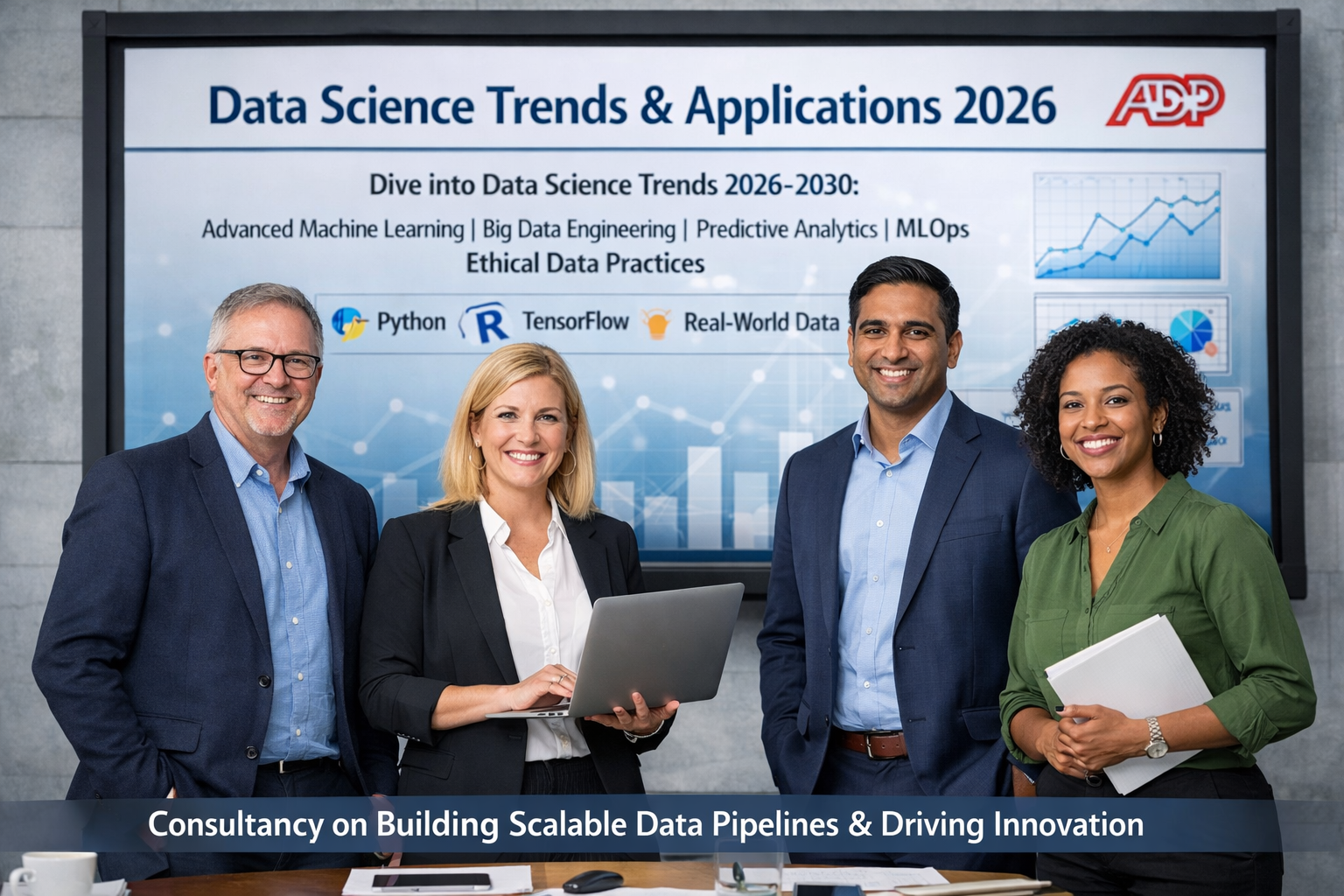
In an increasingly data driven world, Data Science has become a game changer for businesses, organizations, and governments. By harnessing the power of large datasets and applying statistical analysis, machine learning, and data visualization techniques, data science helps uncover insights that can guide decision making, enhance customer experiences, and drive business growth.
But what exactly is data science, and why is it so crucial? In this blog post, we’ll explore the definition of data science, its significance, common misconceptions, and key challenges. We’ll also break down the core steps involved in the data science process and provide actionable advice for anyone looking to tap into the power of data science.
What is Data Science?
Data science is an interdisciplinary field that combines various techniques, processes, and algorithms to extract meaningful insights from structured and unstructured data. Data science uses methods from statistics, machine learning, computer science, and domain expertise to analyze data and generate actionable conclusions.
At its core, data science aims to uncover patterns, make predictions, and inform decision making. It involves several key components, including data collection, cleaning, analysis, modeling, and visualization. The insights derived from data science can help businesses make data driven decisions, improve efficiency, and optimize processes.
Why is Data Science Important?
Enhances Decision Making
In today’s competitive landscape, businesses need to make fast and informed decisions. Data science allows organizations to analyze historical data and predict future trends, making it possible to make smarter, data driven decisions.
- Stat: A study by PwC revealed that 72% of business decision makers believe that data driven decisions lead to better outcomes and improved performance.
Drives Business Growth
Data science provides businesses with the tools to identify new opportunities, optimize operations, and improve customer experiences. For example, by analyzing customer behavior, companies can tailor their marketing efforts and product offerings to meet the needs of their target audience.
- Example: Amazon uses data science to personalize recommendations for customers, which has significantly increased their sales and customer retention rates.
Improves Operational Efficiency
By analyzing data from various sources, data science helps businesses optimize processes, reduce waste, and increase productivity. For instance, manufacturing companies use data science to monitor equipment performance and predict maintenance needs, preventing costly downtime.
- Stat: According to McKinsey, data science and analytics can improve productivity by 15 20% in industries like manufacturing, logistics, and retail.
Supports Innovation
Data science can help businesses discover new trends, products, or services that can drive innovation. By using data to uncover hidden insights and market trends, companies can create innovative solutions that meet the changing needs of consumers.
- Example: Healthcare companies use data science to predict disease outbreaks, improve diagnostics, and discover new treatments, contributing to advancements in public health.
Common Misconceptions and Challenges in Data Science
Misconception 1: Data Science is All About Big Data
A common misconception is that data science is only relevant for big data or large organizations. While data science can certainly be applied to big data, it is equally valuable for small and medium sized businesses that wish to leverage data for decision making and growth.
- Solution: Data science techniques can be scaled to suit any organization, whether you’re working with small datasets or vast amounts of information.
Misconception 2: Data Science is Just About Coding
While coding and programming skills are essential in data science, the field is much broader. Data scientists also need to understand statistical modeling, data wrangling, and how to interpret and communicate data insights effectively.
- Solution: Data science requires a combination of technical, analytical, and communication skills. It’s essential to have a holistic approach that includes domain expertise and a strong understanding of business needs.
Challenge: Data Quality and Availability
Data scientists often face challenges related to data quality and availability. Raw data can be messy, incomplete, or inaccurate, making it difficult to draw meaningful insights.
- Solution: Ensure that data cleaning, preprocessing, and validation are integral parts of the data science process. Implement automated tools and best practices for handling missing or inconsistent data.
Challenge: Skill Gaps in Data Science
The demand for skilled data scientists is growing rapidly, but many businesses face a shortage of qualified professionals who can handle complex data analysis and machine learning tasks.
- Solution: Businesses can invest in training and development programs for existing employees, collaborate with educational institutions, or work with external data science consultants to bridge the skills gap.
Key Steps in the Data Science Process
Data Collection and Acquisition
The first step in data science is gathering relevant data from various sources. This could include internal data (e.g., sales, customer interactions) and external data (e.g., market trends, social media).
- Tip: Ensure that you have access to high quality, relevant data. Utilize tools like web scraping, APIs, or surveys to collect data efficiently.
Data Cleaning and Preparation
Once data is collected, it’s often messy, incomplete, or inconsistent. Data cleaning and preparation involve transforming raw data into a usable format by handling missing values, eliminating duplicates, and standardizing data formats.
- Tip: Use data cleaning tools such as Pandas (for Python) or OpenRefine to automate the cleaning process and make your data analysis ready.
Exploratory Data Analysis (EDA)
Exploratory Data Analysis (EDA) is the process of analyzing datasets to summarize their main characteristics, often using statistical graphics, plots, and information tables. EDA helps uncover patterns, trends, and anomalies in the data.
- Tip: Visualize your data using tools like Tableau, Power BI, or Matplotlib (for Python) to identify patterns and outliers.
Model Building and Machine Learning
In this phase, data scientists build statistical models and machine learning algorithms to make predictions, identify trends, or classify data. This step involves selecting the right model, training it with data, and fine tuning parameters.
- Tip: Use machine learning algorithms like regression, decision trees, or clustering based on the problem at hand. Tools like Scikit learn and TensorFlow are popular choices for building models.
Model Evaluation and Validation
Once the model is built, it’s important to evaluate its performance using validation techniques such as cross validation or splitting the data into training and test sets. This ensures that the model generalizes well to unseen data.
- Tip: Use performance metrics like accuracy, precision, recall, and F1 score to assess the effectiveness of your model.
Data Visualization and Communication of Insights
Data visualization is essential to communicate the results of your analysis clearly and effectively. Visualizations like graphs, charts, and dashboards help stakeholders understand complex data insights.
- Tip: Use visualization tools like Power BI, Tableau, or Python’s Seaborn to create clear and engaging data presentations.
Conclusion: Harness the Power of Data Science for Success
Data Science is a powerful tool for businesses looking to make data driven decisions, optimize processes, and unlock new opportunities for growth. By understanding the key components of data science, from data collection and preparation to machine learning and model evaluation, businesses can harness the full potential of their data to drive success.
Despite common misconceptions and challenges, data science is an accessible and valuable resource for organizations of all sizes. Whether you’re a small business owner or a large enterprise, investing in data science can help you gain a competitive edge, improve efficiency, and make smarter decisions.
Ready to dive into data science? Start by learning the basics, experimenting with datasets, and leveraging the right tools and technologies to enhance your data capabilities.